
Health-Aligned Indoor Environmental Intelligence
When people say, “The mold was handled—so why do I still feel bad at home?” the answer is often not what was removed—but what was left behind. Vital Environments helps families and clinicians determine whether an indoor environment is truly compatible with health, especially for medically sensitive individuals.
Why Traditional Approaches Fall Short
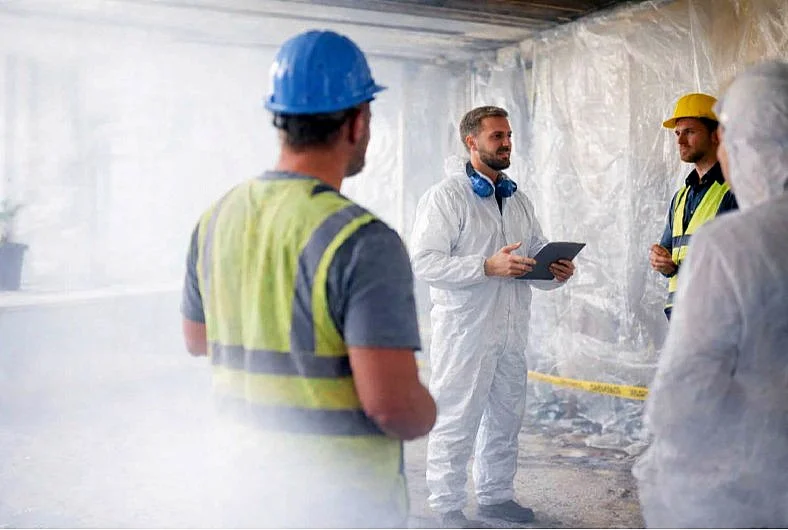
Conventional remediation often focuses on visible growth and structural repair. While necessary, it can miss how microscopic particulate and biologically active debris distribute through a home over time and settle into dust reservoirs.
Our Health-First Philosophy
We don’t just ask where the moisture occurred. We ask how contaminants moved through the space, where they settled, and whether the environment makes sense for a medically sensitive person.
Secondary Contamination Awareness
Fine particulate and settled dust can persist beyond source removal. Structural repair alone may not resolve ongoing exposure for sensitive households.
Disclaimer: Vital Environments provides environmental assessment and educational information only and does not diagnose or treat medical conditions.
Whole-Environment Intelligence
- Air and fine particulate behavior
- Dust and surface reservoirs
- Contents and belongings
- HVAC distribution pathways
- Post-remediation conditions
- Contextual interpretation of testing
Independence by Design
Vital Environments does not perform remediation, cleaning, or construction, preserving objectivity and trust.
What We Are Not
- Not a remediation sales funnel
- Not fear-based testing
- Not lab-results-only decisions

We Understand Biotoxin Illness
We recognize the environmental patterns, exposure signals, and living-space conditions that often indicate when a home may be contributing to ongoing health stress—especially for individuals who are medically sensitive.
Learn More
Approximately 25% of the population is genetically susceptible to mold illness
This susceptibility is largely due to variations in the human leukocyte antigen (HLA) genes, particularly certain HLA-DR and HLA-DQ variants, which may influence how efficiently the immune system recognizes and clears biotoxin-related exposures.

🇺🇸 Did You Know?
Our U.S. military service members are suffering from toxic mold exposure.
This needs to be fixed.

Certified Training in Mold Illness
Vital Environments has completed accredited continuing medical education through The George Washington University School of Medicine and Health Sciences, including the course “Understanding Mold Illness: The Basics.” education reinforces our commitment to medically informed, evidence-aligned environmental assessment practices.

Founding Member of PEPN
Vital Environments is a founding member of the Purified Environments Provider Network (PEPN) — a governance-driven alliance advancing health-aligned standards for indoor environmental assessment, interpretation, and post-remediation accountability.